

Safety Information#
The following safety instructions, general precautions and rules concerning handling and the operating environment must be scrupulously observed to ensure the safety of personnel, the integrity of the product and the correct operation of the plant.
Warning
User responsibility
Compliance with all the safety rules given in this section is mandatory and is the responsibility of the end user. Failure to comply may cause injury to persons, damage to equipment or compromise the operation of the system.
Operator safety area#
The zones around the machine are divided as follows:
Term |
Description |
|---|---|
Control zones |
These are the zones in which the user and the other operators can carry out the control and monitoring operations of the cyclic functions of the machine (“operating station”), both in automatic and semi-automatic mode, using the dedicated control panels or for the execution of manual operations. |
Maintenance/adjustment zones |
These are the zones in which mechanical maintenance personnel can carry out maintenance or adjustment operations. These zones are considered hazardous and are not accessible during normal operation of the machine. Operators must be fully aware of the safety warnings and of the personal protective equipment to be worn. |
Hazardous zones |
Hazardous zones are all the zones inside (or surrounding) the machine where residual risks that may cause injury to persons are present. Access to these zones is forbidden to everyone while the machine is operating. |
The hazards and risks present in these zones are protected, as far as possible, by guards (casings, doors) and by safety devices (sensors, microswitches, photoelectric barriers) which, when activated, bring the machine to a complete stop. However, while the machine is running it is absolutely forbidden to work in the hazardous zones, since some risks may not have been completely eliminated.
Personal protective equipment (PPE)#
When working near the FlexiBowl®, whether for assembly, maintenance and/or adjustment operations, the general accident-prevention rules must be strictly observed; for this reason it is important to use the personal protective equipment (PPE) required for each individual operation. Below is the complete list of the personal protective equipment (PPE) that may be required for the various procedures:
Symbol |
Description |
|---|---|

|
Mandatory use of protective or insulating gloves. Indicates a requirement for personnel to wear protective or insulating gloves. |

|
Mandatory use of safety glasses. Indicates a requirement for personnel to wear protective eyewear. |
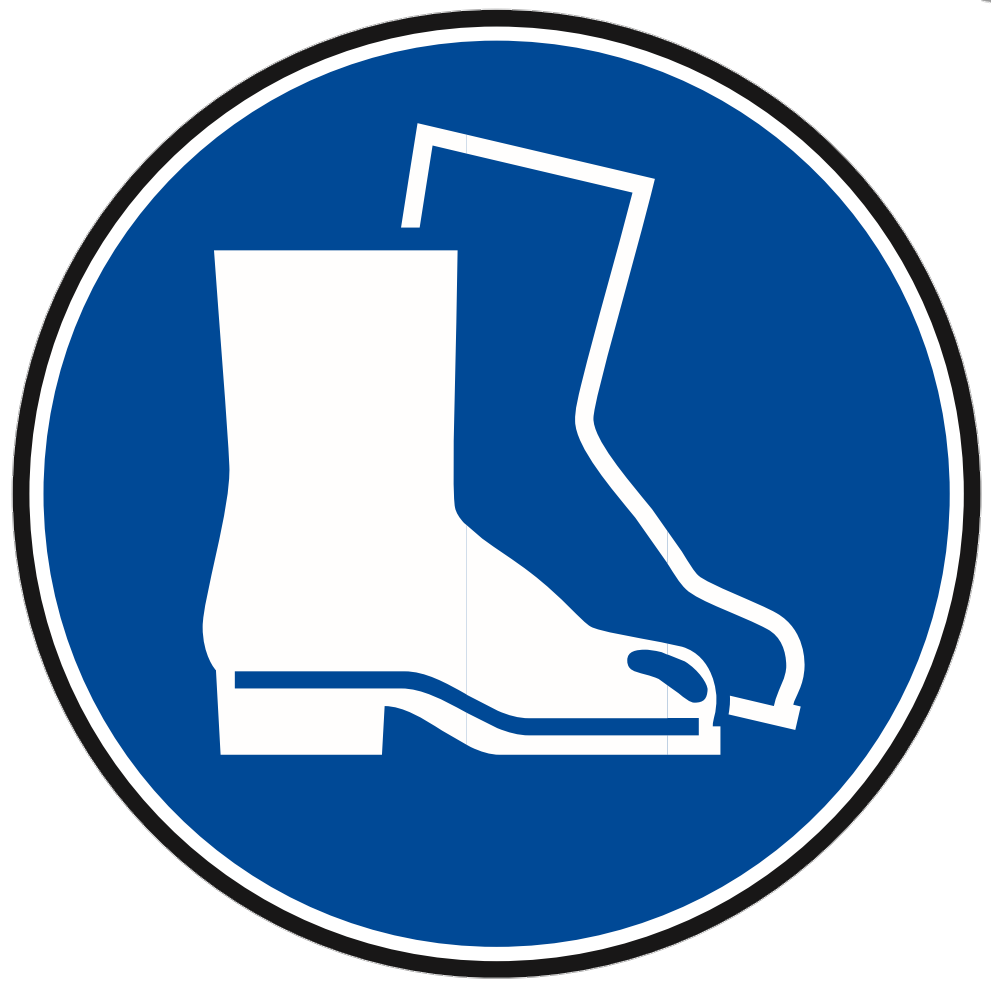
|
Mandatory use of safety footwear. Indicates a requirement for personnel to wear safety footwear to protect the feet. |

|
Mandatory use of hearing protection. Indicates a requirement for personnel to wear earmuffs or earplugs to protect hearing. |
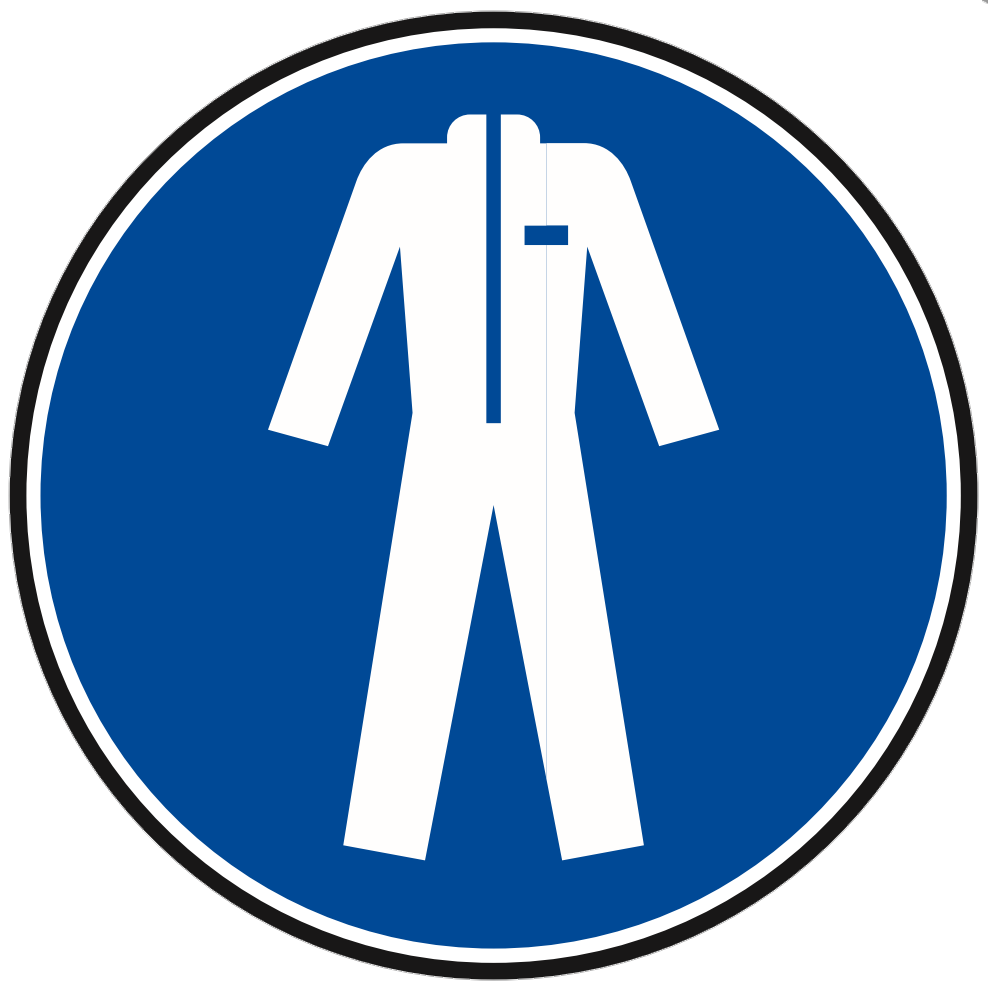
|
Mandatory use of protective clothing. Indicates a requirement for personnel to wear specific protective clothing. |
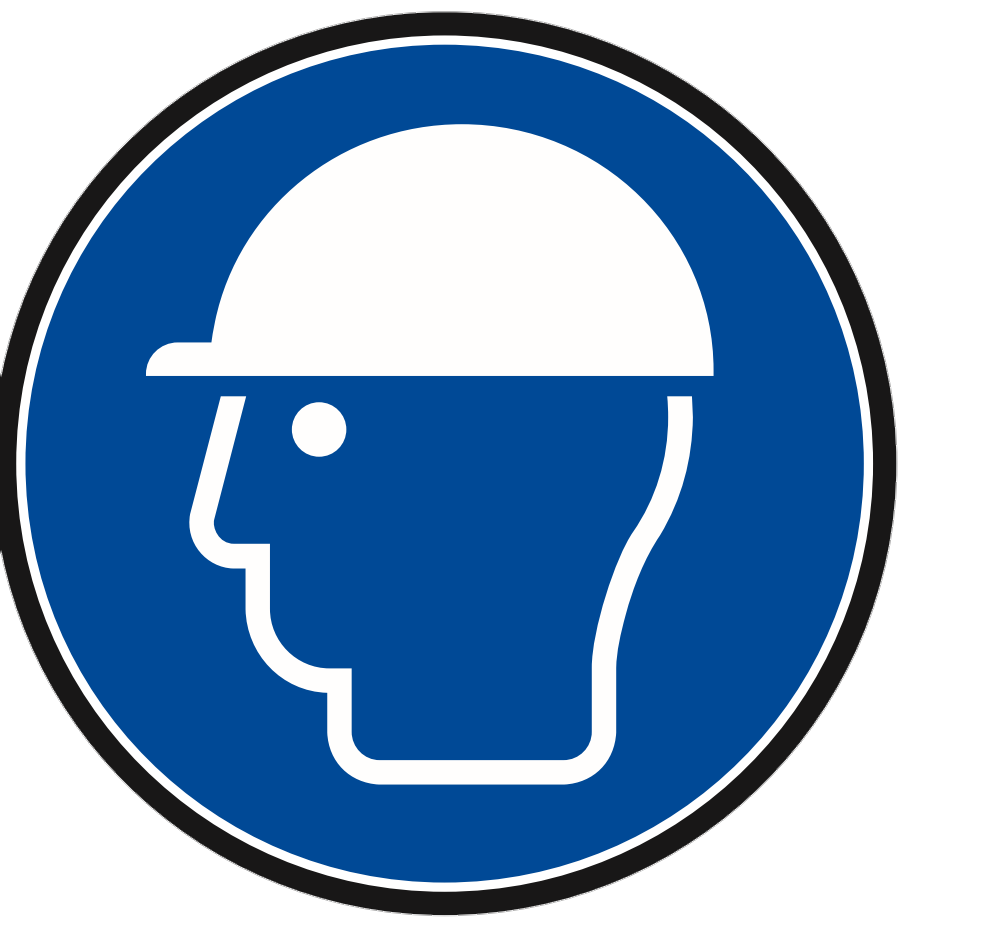
|
Mandatory use of a safety helmet. Indicates a requirement for personnel to wear a helmet to protect the head. |

|
Mandatory to consult the instruction manual/booklet. Indicates a requirement for personnel to consult (and understand) the machine’s instructions for use and warnings before operating it. |
The clothing of those who operate or carry out maintenance on the line must comply with the essential safety requirements defined by Reg. (EU) 2016/425 and with the laws in force in the country where the line is installed.
Safety devices#
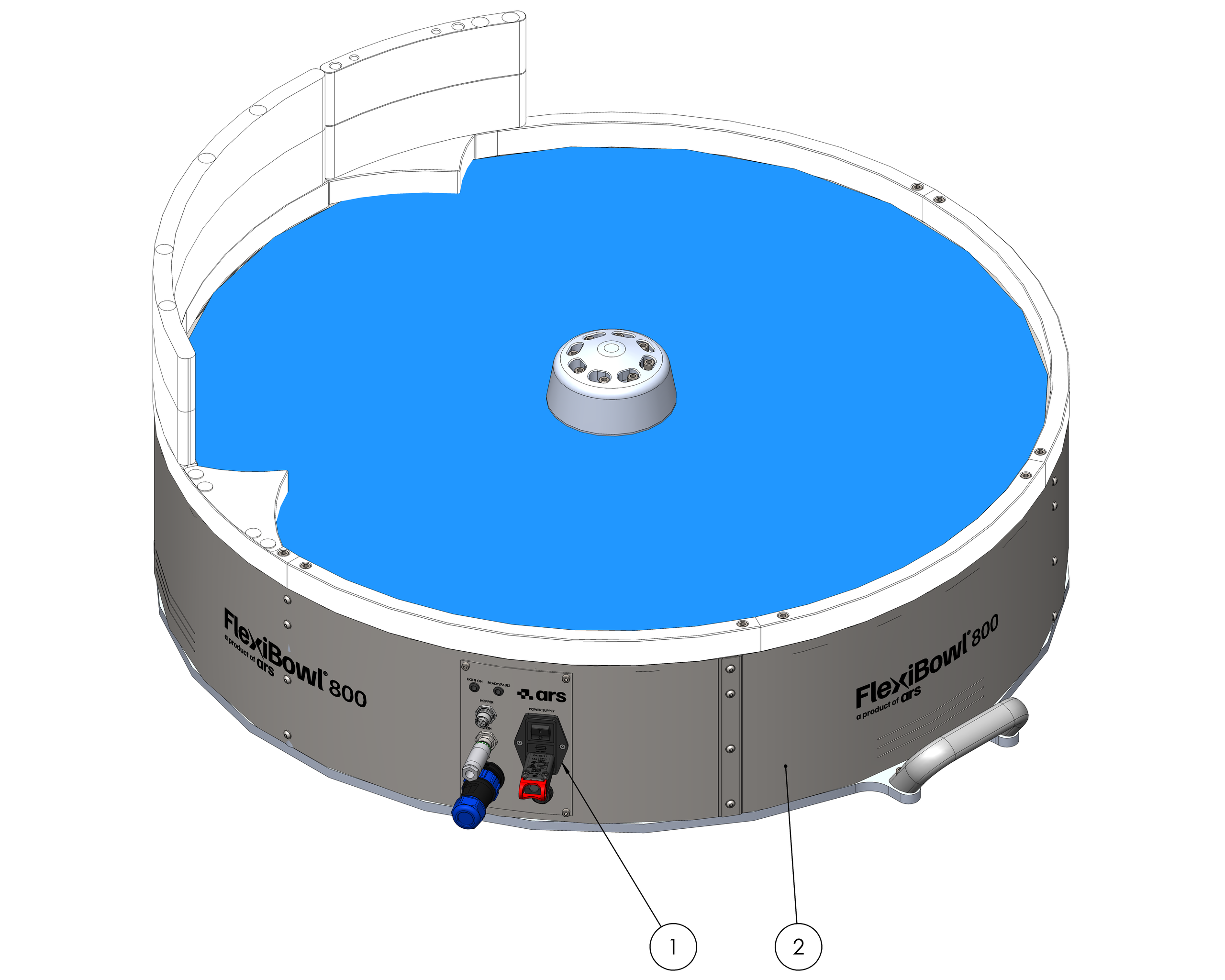
To guarantee total operator safety and prevent access to the inside of the machine while it is moving, the machine is equipped with a series of safety devices which, when activated, bring it to a complete stop. The machine has been designed and equipped with safety systems to minimize operator risks. The machine is fitted with the safety devices described in the following table. For the position of these devices, refer to the diagram below.
No. |
Element |
Description |
|---|---|---|
1 |
Electrical switch |
It is located on the control panel and allows the electrical power supply to be cut off in case of:
|
2 |
Guards |
It consists of fixed perimeter guards (casings), whose function is to prevent access to the moving parts of the machine during the operating cycle and which require specific tools for their removal. |
Warning
Due to the presence of pointed protrusions on surfaces or rigid discs with Spike, the operator may be exposed to the danger of abrasion and/or cuts in the event of contact with them. Wear suitable PPE when working near such surfaces or rigid discs.
Warning
In an emergency, remove the power connected to the control panel to safely disable the FlexiBowl® commands.
Hazards and risks#
Noise#
The noise measurements were carried out in accordance with the provisions of EN ISO 11200:2020 – “Noise emitted by machinery and equipment – Guidelines for the use of basic standards for the determination of emission sound pressure levels at a work station and at other specified positions” and EN ISO 3746:2011 “Determination of sound power levels and sound energy levels of noise sources using sound pressure – Survey method using an enveloping measurement surface over a reflecting plane”. We also carried out the assessment following the procedures given in DIRECTIVE 2006/42/EC point 1.5.8 – point 1.7.4.2 letter u.
The complete report is contained in the documentation relating to the partly completed machinery kept by ARS. The measurement report is available on request for users and integrators.
The measurements were carried out under 3 different operating conditions:
FlexiBowl in operation (MOVE, SHAKE, FLIP) without components (“no-load operation”);
FlexiBowl in operation (MOVE, SHAKE, FLIP) with components on the rotating disc, rigid plastic components;
FlexiBowl in operation (MOVE, SHAKE, FLIP) with components on the rotating disc, metal components;
During no-load operating cycles, the A-weighted equivalent continuous sound pressure level at the workstation is 73.3 dB(A). For operating cycles with components, since the A-weighted emission sound pressure level at the workstations exceeds 80 dB(A), the table below also gives the A-weighted sound power level emitted by the machine.
FlexiBowl® 800 |
A-weighted sound power level Lw(A) |
Measurement uncertainty K |
Linear sound power level Lw(z) |
Measurement uncertainty K |
|---|---|---|---|---|
No-load operation |
82.6 dB(A) |
8.9 |
87.7 dB |
8.9 |
Operation with rigid plastic parts |
89.7 dB(A) |
6.0 |
90.7 dB |
6.0 |
Operation with metal bracket parts |
85.0 |
6.0 |
88.5 |
6.0 |
The actual noise level of the installed machine during operation on site in a production process may differ from that stated above, because noise is influenced by various factors such as:
components handled by the FlexiBowl and operating parameters;
type and characteristics of the site;
characteristics of the machine into which the FlexiBowl® is integrated;
other adjacent machines in operation.
Warning
|
|
For daily exposure levels above 80 dB(A), the use of the appropriate personal protective equipment is mandatory. |
Backlight and Toplight#
Refer to the following table for the classification of the risk level due to the use of the Toplight and Backlight illuminators, according to standard EN-62471:
Color |
Class |
Risk |
|---|---|---|
White |
0 |
None |
Red |
0 |
None |
IR |
1 |
Low |
Color |
Class |
Risk |
|---|---|---|
White |
0 |
None |
Red |
0 |
None |
IR |
0 |
Low |
Note
Infrared illuminators emit invisible light and may therefore appear not to be working. Check them with a camera fitted with an infrared filter to verify that they work. Most smartphones can display infrared.
Temperature#
Warning
Under intensive use or in hot environments, some components of the system can reach high temperatures:
Disc clamping cap: up to 65°C
Motor: up to 80°C
The upper platform of the frame may have a hot zone about as large as the central hole enlarged by 25%:
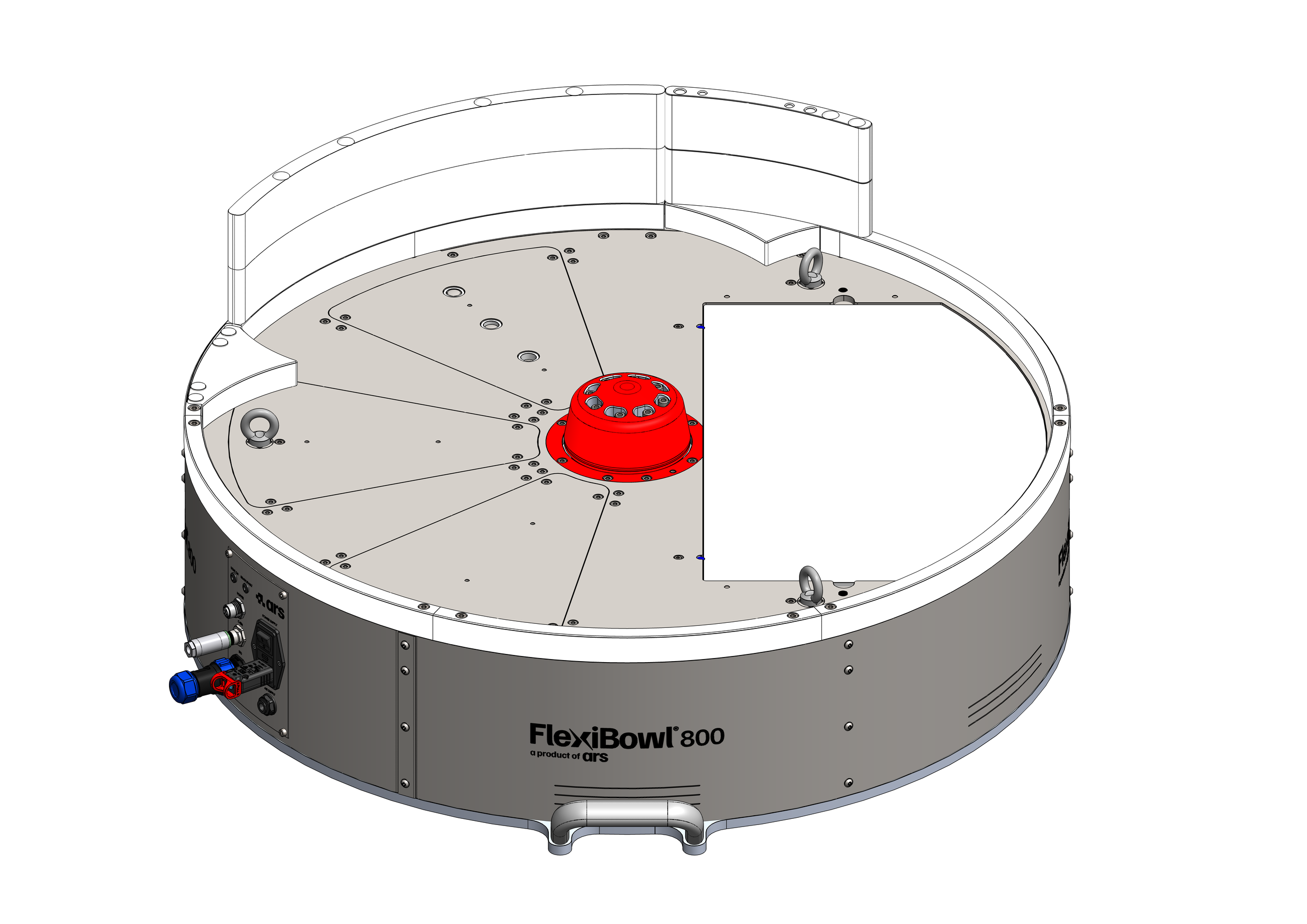
NOTA: These values were obtained by running the FlexiBowl® continuously for two weeks in a confined environment without ventilation, using the following parameters:
Move 90°
Pause 1000 ms
Shake +45° -45°
Pause 1000 ms
Vibrations#
The vibrations produced by the machine, depending on how it is operated, are not hazardous to the health of the operators.
Warning
Excessive vibration can only be caused by a mechanical fault, which must be reported and eliminated immediately, so as not to jeopardize the safety of the line and of the operators.
Electromagnetic compatibility#
The machine supplied contains electronic components subject to the regulations on Electromagnetic Compatibility, affected by conducted and radiated emissions.
The emission values fall within the regulatory requirements thanks to the use of components compliant with the Electromagnetic Compatibility directive, suitable connections and the installation of filters where necessary. The machine therefore complies with the Electromagnetic Compatibility (EMC) directive.
Warning
Any maintenance activities on the electrical equipment carried out in a non-compliant manner, or incorrect replacement of components, may compromise the effectiveness of the solutions adopted.
Residual risks#
The machine has been designed to ensure the essential safety requirements for the operator. Safety has been integrated, as far as possible, into the design and construction of the machine; however, risks remain from which operators must be protected, especially during:
transport and installation;
normal operation;
adjustment and setting up,
maintenance and cleaning;
dismantling and decommissioning.
Below, for each residual risk, a description is given, together with the zone or part of the machine concerned (unless the whole machine is concerned) and the procedural information on how to avoid it:
| Risk | Description and procedural information |
|---|---|
|
HAZARDS DUE TO HANDLING PICTOGRAMS: 
|
The handling procedures are described in the "Transport and installation" chapter of this instruction manual. Residual risk: The operations of:
|
|
DANGER OF ABRASION, CUTS, IMPACT PICTOGRAMS:

|
Due to the presence of pointed protrusions on the "Rotary Disc" with Spike, the operator may be exposed to the danger of abrasion and/or cuts in the event of contact with them. Wear suitable PPE when working near such "Rotary Disc". |
|
ELECTRICAL HAZARD PICTOGRAMS:
|
Access and maintenance operations on the machine expose operators to electrical risk. Work on live equipment must be carried out exclusively by experienced and qualified personnel. The following safety measures are recommended:
|
|
HAZARD DUE TO LIGHTING DISTURBANCES PICTOGRAMS:
|
The "Backlight" is located inside the machine body, out of the operator's sight, and is almost entirely shielded by the guards of the machine body. Residual risk: The operator may suffer eye damage if they look at the intense light of the "Backlight" for a prolonged period. |
|
HAZARD DUE TO DUST, SPLINTERS, ETC. PICTOGRAMS:
|
At the end of the work cycle, a number of residues of the fed parts or accumulations of dust may remain on the machine's "Rotary Disc". Thoroughly clean the "Rotary Disc" after each use, as described in chapter 7 of this manual. |
Warning
Do not carry out maintenance and cleaning activities unless all the energy sources present have first been de-energized.
Warning
It is absolutely forbidden to remove the safety guards installed on the machine or to open the fixed guards without first isolating the electrical and pneumatic power supply of the machine.
It is the user’s responsibility to:
analyze the risks that could arise during handling and installation at its own premises (the analyses carried out on the handling of the machine were made only considering its characteristics);
raise awareness among and train the personnel assigned to operations at the workstations and the personnel in charge of running the machine;
apply visual safety signs in the work environment after assessing the risks within the transit or control areas.
Safety pictograms applied to the machine#
The following table lists the pictograms present on the machine, usually located next to the control panel.
Pictogram |
Description |
|---|---|
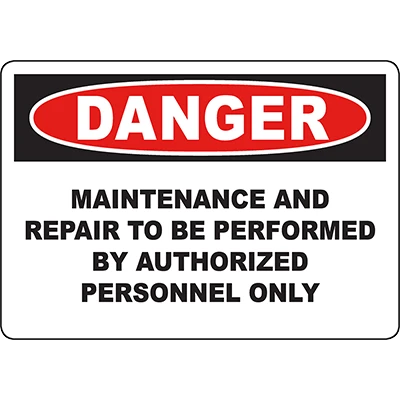
|
DANGER! ONLY AUTHORIZED PERSONNEL MAY CARRY OUT MAINTENANCE OR REPAIR WORK. Indicates a prohibition on carrying out maintenance or repair work by unauthorized personnel. |
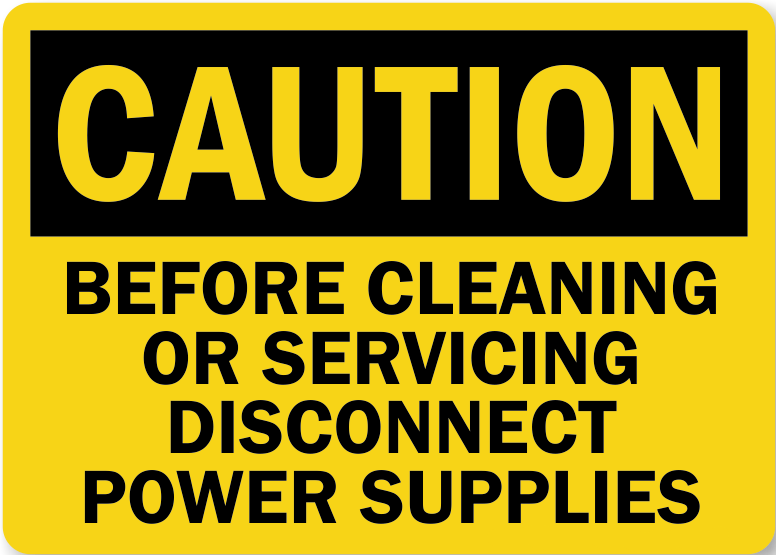
|
WARNING! DISCONNECT THE ELECTRICAL POWER SUPPLY BEFORE CARRYING OUT CLEANING OR MAINTENANCE OPERATIONS. Indicates a prohibition on carrying out maintenance or cleaning work before the electrical power supply has been disconnected. |
Integration with robotic systems#
Cell safety requirements#
Warning
The FlexiBowl® operates in close connection with third-party robotic systems. The user must ensure that the work area is equipped with all the necessary safety measures required by the relevant regulations
Caution during operation#
Warning
During operation of the system, always take into account:
Physical dimensions of the robot and of the FlexiBowl
Trajectories and speeds of the robot movements
Possible unexpected situations (falling parts, picking errors)
Danger zones during the vibration phases of the FlexiBowl
General precautions before interventions#
Disconnecting power supplies#
Warning
Before carrying out any maintenance, modification or inspection work on the system, always make sure that:
All electrical power sources are disconnected (VisionController, FlexiBowl, Camera, Illuminator)
The pneumatic supply is depressurized and disconnected (if present)
The connection cables are physically disconnected
The robot is in safe mode or completely switched off
Safety procedures#
Warning
Do not rely solely on switches: use lockout/tagout (LOTO) procedures when available.
Modifications and tampering#
Consequences of modifications#
Warning
Unauthorized modifications may:
Cause system malfunctions
Void the warranty
Create risks of injury, electric shock or fire
Compromise the safety certifications of the product